Inside the Chrysalid
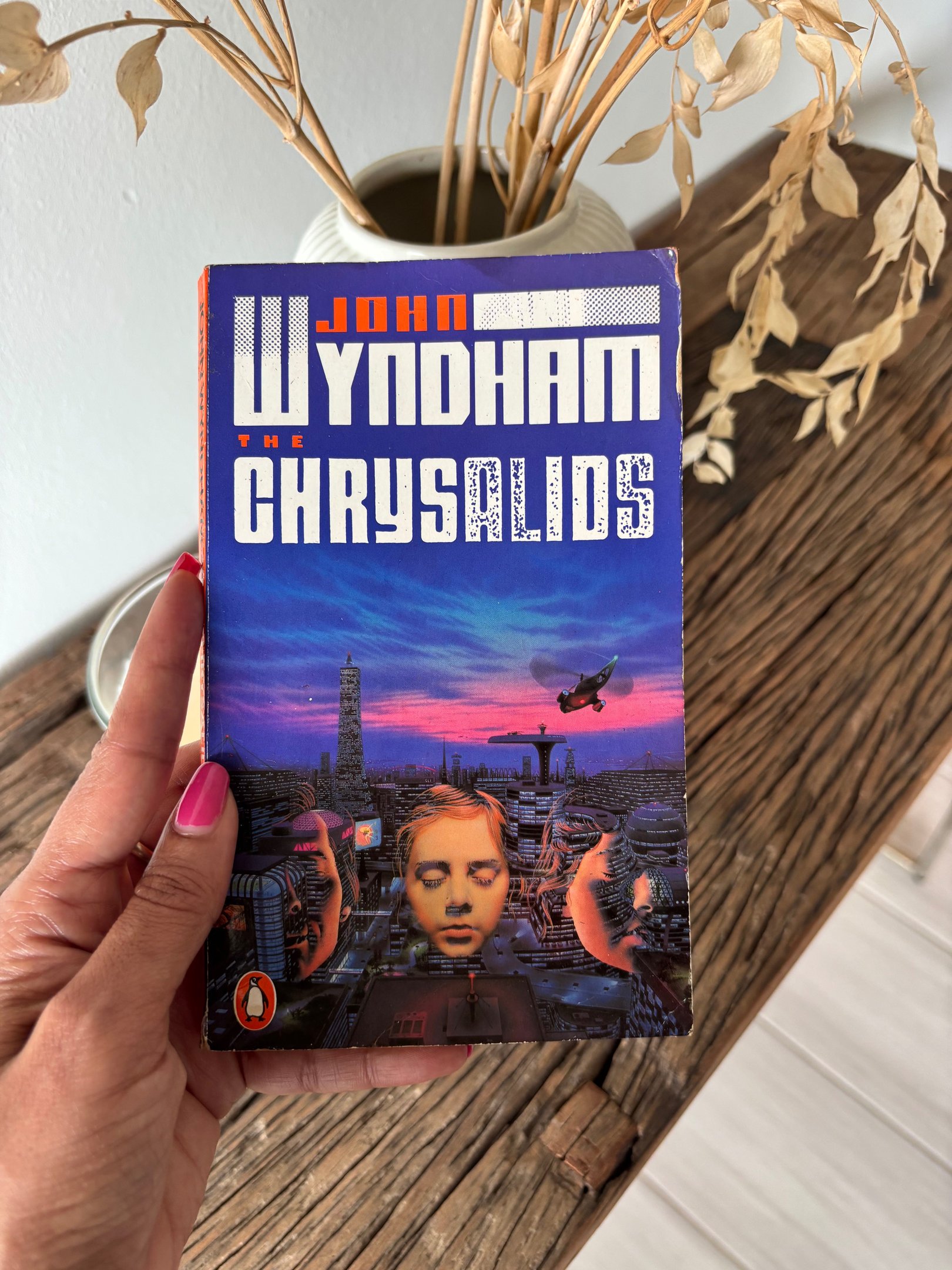
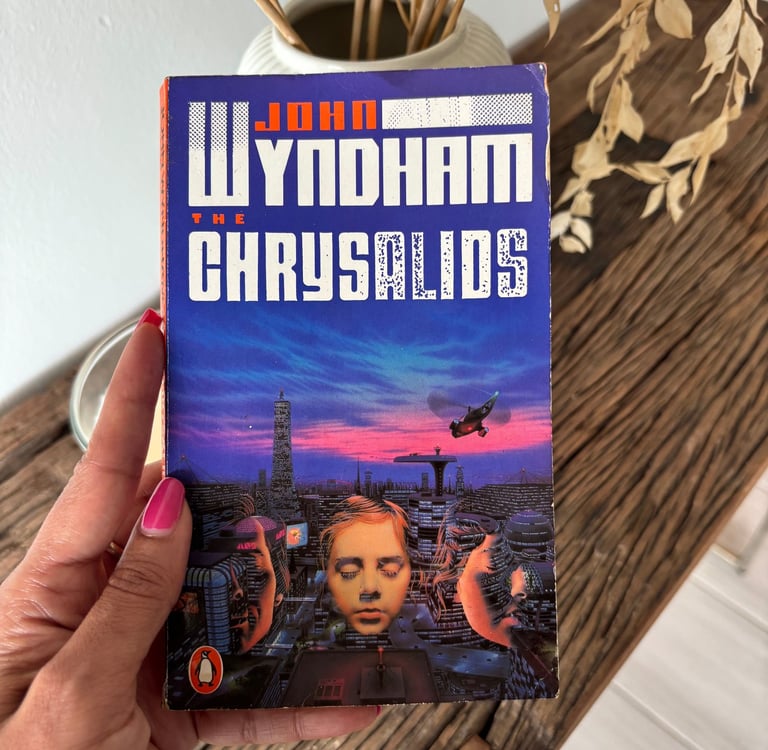
Over the weekend, as I was rummaging through my parents’ library, I found a book that I read as a teenager: The Chrysalids, by John Wyndham. It was 1st published in the 50s. It is a little worn out and holds that old, familiar and comforting scent of a cherished book, with scribbled notes and yellow highlights bearing witness to the curiosity of my younger self.
It’s a story about children who communicate without words, and who, because of that difference, were branded as “mutants”, labelled as "outcasts", with every effort done to drive them out of society. Unfortunately, this still sounds familiar.
It’s striking how often society pathologises what it doesn’t understand. And yet, so much of our connection happens beneath language: in non-verbal children, trauma responses, nervous system cues, perception and neuroception.
Finding that book again reminded me how some of the most important conversations don’t use words at all, but attunement, felt meaning and non-verbal intelligence.
The book is now back on my shelf. And somehow, it feels like it never really left. Perhaps because this is the space I strive to create in my practice: the places where communication happens beneath words, where the nervous system becomes a guide, and where flourishing begins through attunement rather than language.
It’s a reminder of why the silent stories matter just as much as the spoken ones.