Creole Well-Being: Memory, Trauma, and Repair
A reflection for the commemoration of the abolition of slavery in Mauritius
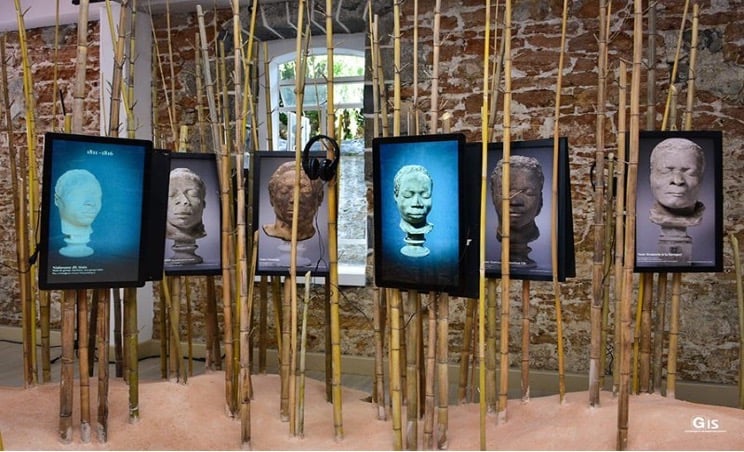
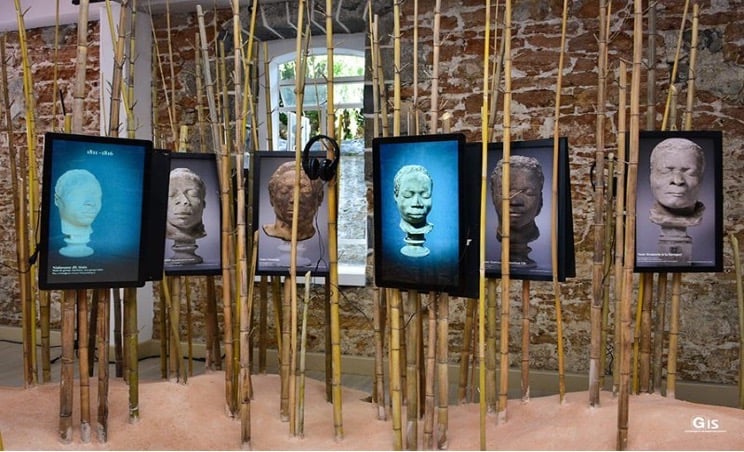
What if we finally spoke about Creole well-being?
A few years ago, I realised that my last name was not originally my last name. That resonated deeply: "my last name is not my last name".
It was that of the master: assigned, imposed, and passed down through generations, carried across my enslaved African ancestry.
The realisation was brutal. It did not live only in my thoughts; it landed in my body. It raised questions about belonging, inheritance, and what is silently transmitted when names, lands, identities and lineages are broken.
From there, another understanding emerged.
We often confuse trauma with the event itself: a war, an accident, a genocide, slavery.
But trauma is not the event. It is what remains afterwards.
It is what continues to live in bodies, in relationships, in the way we feel safe (or not) long after the event has ended. Trauma is hence very much a reality of the present. And sometimes, that reality crosses generations.
This is what we call intergenerational trauma: when what has not been healed, is passed on. When the effects of violence experienced by one generation continue to shape the lives of children and grandchildren, even though they did not directly live through those events.
But because they grow up in a world shaped by that trauma, they inherit the fears, the silences, the survival strategies, the ways of loving, of being, of mistrusting, of protecting themselves.
Research shows this very clearly. After the 1994 genocide in Rwanda, children born after the violence, displayed anxiety, sleep disturbances, and constant hypervigilance, despite never having experienced the genocide themselves. These effects were linked to the untreated suffering of their parents and grandparents. Trauma was transmitted as an emotional climate. Similar observations have been made among children of Holocaust survivors. And I recognize these same dynamics in my work with displaced Palestinian refugees.
Because the body does not forget.
Other studies show higher rates of stress-related illnesses, such as hypertension, among black populations who are slaves descendants.
Far from being an individual weakness, it is an adaptation of the nervous system, having lived for generations under fear, dehumanisation, and structural violence. Living in a permanent state of alert. But what once made survival possible can, over time, become an invisible prison.
In Mauritius, as in many colonized countries, trauma is not only individual, it is also collective. Slavery did destroyed lineages, languages, names, belongings, spiritualities. Families were torn apart. Identities erased. Histories silenced. And these losses were never fully heard, supported, mourned, or tended to.
Creoleness was born out of this violence. It is a living, powerful, and deeply rich creation. But it was also born out of rupture.
Speaking of intergenerational trauma in Mauritius means speaking of transmitted silences, uprooting, and survival strategies that have become ways of being in the world.
For a long time, we have spoken of “Creole malaise.” This term helped name a very real suffering. But it can also confine and stigmatise. We need to see beyond the symptom.
So what if, instead of speaking only of malaise, we also spoke of Creole well-being?
Refusing to be defined solely by it. Speaking of Creole well-being means recognising survival strengths, solidarities, cultures of connection, spiritualities, creativity. Recognising the knowledge passed down despite everything, the quiet and dignified resilience of an entire community.
What made survival possible can also become what allows flourishing.
When trauma is collective, repair must be collective too. It demands recognition, expression, storytelling, rituals, justice, connection, and dignity.
In Mauritius, the commemoration of the abolition of slavery is not merely symbolical: it is an act of repair. A way of saying that this history exists, that it matters, and that it continues to move through us.
Memory becomes a possibility.
The possibility of unlearning fear, silence, and shame.
And relearning safety, dignity, belonging, and joy.
If trauma can be transmitted, repair can be too.
And that may well be our collective responsibility today.
***
"What are you going to go with your last name? Do you want to change it?", I remember being asked.
My answer was no.
I'm aware that my last name carries violence and loss. It is also part of who I am today. It carries the rupture, the survival, the adaptation, and the continuity. What mattered was not erasing it, but becoming aware of what it holds.
That awareness, for me, was a form of repair. It freed me from my shackles.
Perhaps this is part of what collective healing asks of us: not to erase what was imposed, but to see it clearly, name it, and decide how we carry it forward.